
In 2008, Andrea Unger won the futures division of the World Cup Trading Championships with a 672% return. He won again in 2009 and 2010, then claimed a fourth title in 2012. Results like these naturally raise a question: what strategies did he use, and could someone else follow the same approach?
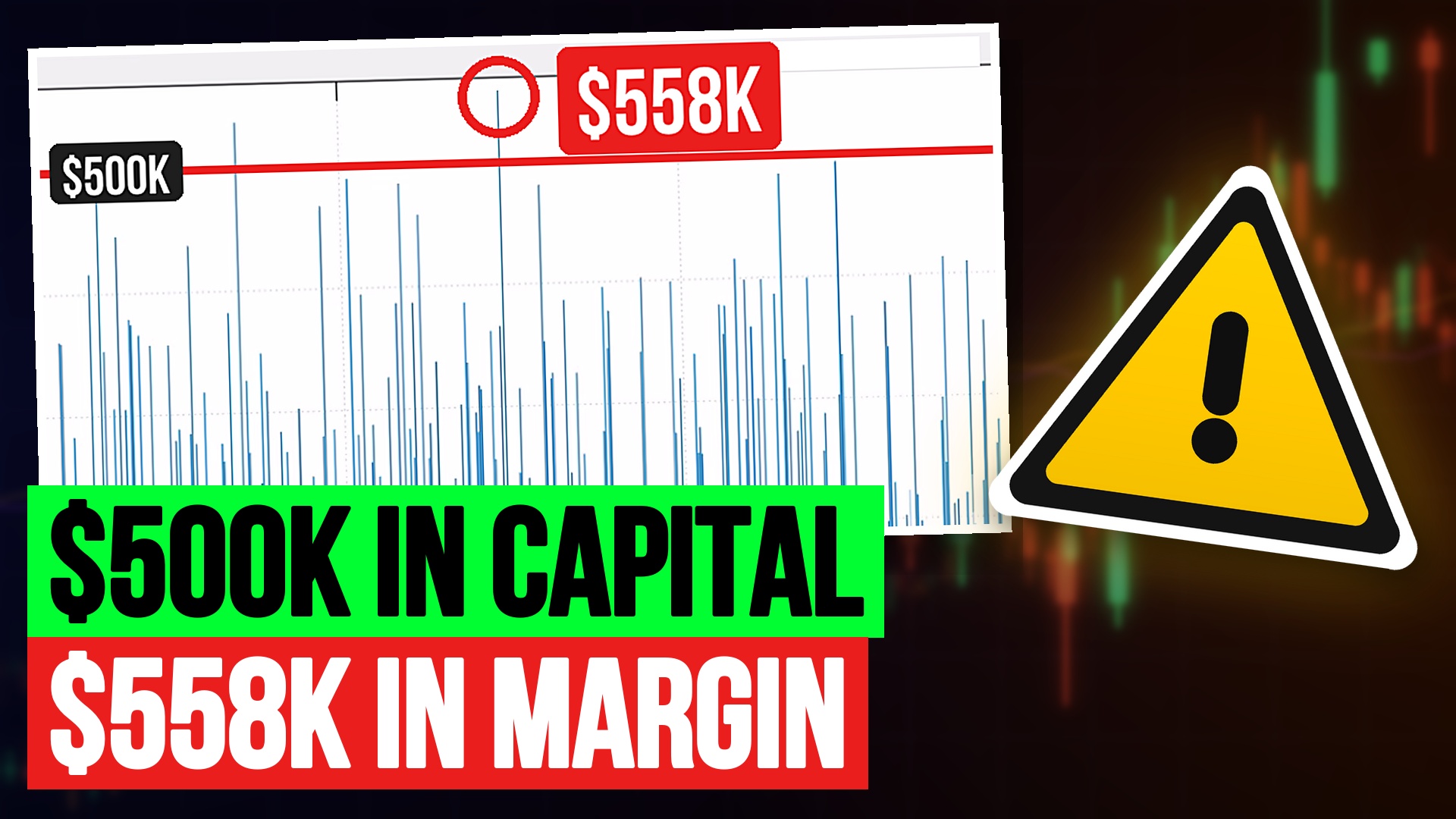
But would a portfolio built to win a trading competition also be suitable for your own trading? Unger has explained that, during some phases of the competition, he risked as much as 20% of his capital on a single trade. His verified result therefore needs to be considered alongside the goal he was pursuing and the risk he took to achieve it.
That is the focus of this guide: how to choose a trading system and evaluate it before adding it to your portfolio. It might be a system you developed, one offered by a vendor, or one you are considering following through another trader’s live activity. In every case, returns alone cannot tell you whether it fits your goals, your capital, and the amount of risk you can take.
If you want to start with the rules and develop a strategy of your own, read our guide on how to build a trading system.

How to choose a trading system?
Choosing a trading system means evaluating a specific set of rules: when it enters a trade, when it exits, how it manages positions, and how much risk it takes. You want to understand whether those rules have a sound rationale and whether the system has a useful role in your trading.
That is different from choosing a platform. A platform decision involves factors such as data, order types, costs, and execution tools. For more on those questions, see our guide to choosing a systematic trading platform.
When evaluating a system, consider its returns alongside four other factors:
- The market behavior its rules are designed to capture.
- How stable its results remain when you make reasonable changes to the test.
- The drawdown and exposure behind its returns.
- Its effect on the risk of your overall portfolio.
1. Understand the logic and test its robustness
A trading system is robust when its results do not depend too heavily on one precisely chosen parameter or an unusually specific set of historical conditions.
Suppose a system performs well with a 14-period moving average. What happens if you test 12 or 16 periods instead? If performance collapses, you need to understand why. The original setting might reflect a persistent market behavior, or it might simply be the value that happened to fit the historical data best.
Andrea Unger also suggests identifying the system’s “engine”: what market behavior are its rules meant to exploit? If that behavior changes or disappears, adding filters to preserve an attractive equity curve can make the problem harder to spot. In his discussion of trading system robustness, he explains why understanding the logic behind a system matters when monitoring it over time.
A useful question is: Can I explain why this system might work outside the period used to develop it?
2. Look for overfitting behind an impressive backtest
Overfitting occurs when a system’s rules are tailored too closely to past data. Its backtest may look convincing, even though the result depends on choices that are difficult to justify or unlikely to hold up in the future.
An overfitting example from Unger Academy examines a Gold system tested on 60-minute bars. It uses a moving average crossover but trades only in June and October. In the test shown, the system generates approximately $80,000 in profit over 530 trades, with an average trade of $153 before commissions and slippage.
The month filter removes more than 80% of potential trades. Without it, the number of trades rises to roughly 3,000 and the overall result turns negative. This comparison does not, by itself, rule out a genuine seasonal effect in Gold. It does show how heavily this version of the system depends on trading in those two months.
Before relying on a backtest, ask:
- What market hypothesis supports each filter?
- How many variations were tested before this version was selected?
- What happens when a rule is removed or adjusted?
- Does the test account for trading costs, slippage, and a meaningful number of trades?
The more a result depends on one narrow choice, the more carefully that choice deserves to be examined.
3. Choose a validation method that fits the system
Walk-forward analysis is a validation method in which parameters are selected using one window of historical data and then tested on the following period, which was not used to select them. The windows move forward, and the process repeats.
Andrea Unger considers it a useful technique, but he has explained why he does not apply its conventional form to the systems he primarily develops with chart patterns. Many of his signals describe conditions that either occur or do not occur. In his approach, trying numerous combinations of patterns and selecting those with the best results could amount to selecting the historical trades that happened to work. He has discussed this difficulty with walk-forward specialist Kevin Davey.
The practical lesson is that the name of a test does not guarantee meaningful validation. You need to know what was selected, which data was kept out of development, and whether the procedure suits the system’s rules. Unger explains his reasoning in more detail in his article on walk-forward analysis.
4. Evaluate returns alongside drawdown
Drawdown measures how far capital falls from a previous peak. It reveals something a final return figure cannot show on its own: how difficult it may have been to achieve that result.
A system returning 40% with a 35% drawdown is not automatically a better choice than one returning 18% with a 12% drawdown. Those are hypothetical figures, but they point to a real question: Could you withstand that decline, financially and in practice, while continuing to follow the system?
Unger’s 2008 result illustrates the risk that can sit behind an exceptional return. In an interview, he recalled that his drawdown reached approximately 47% to 48% during the competition. Further losses could have prevented him from continuing to trade because of margin requirements. He also said that, at certain points, he risked as much as 20% of his capital on one trade. Those conditions are part of the context in which the final 672% return should be read.
When comparing systems, examine returns together with the size and duration of drawdowns, capital requirements, and position sizes.
5. Check how the system fits your portfolio
A system can have attractive standalone results and still add little to a portfolio that already contains similar strategies.
Correlation helps you assess whether different systems tend to gain and lose money at the same time. For example, two trend-following systems trading closely related indexes may experience drawdowns together. Having two separate sets of rules does not necessarily mean your risk is well diversified.
Before adding a system, look at its effect on the portfolio as a whole: What tends to happen to this system when the strategies you already trade are struggling?
What if you are buying or following someone else’s system?
If a vendor offers you a trading system, ask for enough information to understand and assess its results:
- Which rules and markets were tested?
- Which historical data was used? Your data source can affect backtest results.
- Do the results include realistic commissions and slippage?
- How was the system validated, and why was that method chosen?
- Is there a live trading record? If so, how long does it cover?
A live track record provides different evidence from a backtest, but it still needs context. Even a documented profitable month tells you little about how a strategy may perform across different market conditions.
A checklist for choosing a trading system
Before adding a trading system to your portfolio, see whether you can answer these questions:
- Can I explain the market behavior the system is designed to capture?
- Do its results remain reasonably stable when parameters or conditions change slightly?
- Do I know which rules have the greatest effect on its backtest?
- Have realistic execution costs been included?
- Does the validation method fit this type of system?
- Are its drawdown, capital requirements, and position sizes compatible with my situation?
- How would adding it change my portfolio’s overall risk?
- If someone else developed it, can I verify how the results were produced?
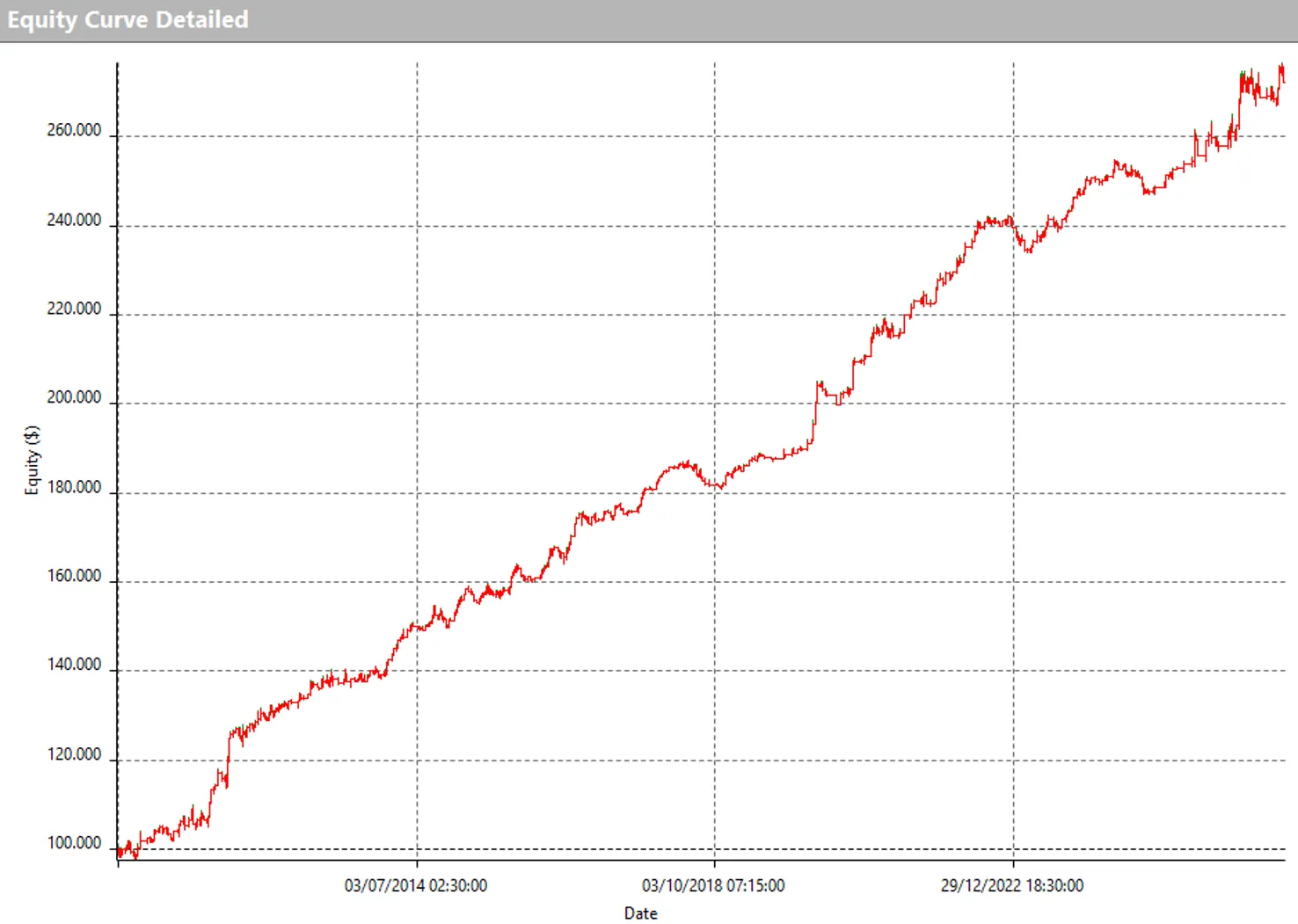
The best-looking equity curve is not necessarily the best trading system for you. The decision depends on where its results come from, the risks required to achieve them, and the role the system would play in your portfolio.
Frequently asked questions
Does a higher backtest return mean a better trading system?
No. Returns need to be assessed alongside the logic of the rules, the stability of the results, trading costs, and drawdown. A filter selected because it improves historical performance may produce an impressive backtest without showing that the system will hold up in live trading.
Does every trading system need walk-forward analysis?
No. Walk-forward analysis can be useful when its procedure fits the way a system is developed and optimized. Andrea Unger has explained why its conventional form is difficult to apply to the pattern-based systems he develops. That does not remove the need to validate those systems using appropriate methods.
Is it a problem if a system works only with very specific parameters?
It is a reason to investigate further. If small changes cause performance to collapse, the backtest may reflect a close fit to historical data rather than a sufficiently stable market behavior.
What is the difference between choosing a trading system and choosing a platform?
Choosing a trading system means evaluating its rules and risk. Choosing a platform means evaluating the tools used to analyze, manage, and execute those rules. Our platform comparison guide covers the second decision.